Why CIC Uses a Sports Camp Model
Middle school students thrive when they understand the purpose behind what they are doing. They want to know why something matters and how it connects to their growth. The Christ Integration Camp uses a sports camp model because it provides a clear, intentional, and familiar structure for students. Sports camps are built around progression, teamwork, repetition, and skill development. These same principles translate powerfully into discipleship. When students can see the pathway, understand the expectations, and recognize the purpose behind each step, they are more likely to engage deeply and grow consistently. The CIC uses this model to help students experience discipleship as an active, relational, and purposeful journey.
Structure Creates Clarity
Sports camps are known for their structure. Athletes arrive with a clear understanding of what the day will include, what skills they will practice, and what goals they are working toward.[1] This clarity reduces anxiety and increases engagement. Youth ministry research shows that students respond well to environments where expectations are consistent and the purpose is communicated clearly.[2] The CIC adopts this structure so students know what to expect each week. They understand that each gathering includes Scripture engagement, small group conversation, and practical application. This predictable rhythm helps students feel secure and supported.
The sports camp model also reinforces the idea that growth happens over time. Athletes do not master skills in one session. They return, practice, and build on what they learned the week before. CIC mirrors this approach by offering a yearlong discipleship pathway. Each week builds on the last, helping students understand that spiritual formation is not random. It is intentional. It is steady. It is guided. This structure helps students see their progress and recognize how God is shaping them through consistent engagement.
Churches that use structured discipleship models report stronger long‑term engagement among students because the clarity helps them stay connected and invested.[3] CIC uses the sports camp model to provide this same clarity. Students know where they are going, how they will get there, and why each step matters.
Training Builds Growth
Sports camps are designed to help athletes grow through repetition, coaching, and practice. Discipleship requires the same commitment. Students need opportunities to practice spiritual habits, receive guidance from trusted leaders, and reflect on their progress. The CIC uses the sports camp model to help students understand that spiritual growth is active. It requires participation, not passivity. In a sports camp, coaches demonstrate skills, give feedback, and encourage athletes to keep trying. CIC leaders serve in a similar role. They model faith, guide conversations, and help students apply Scripture to their daily lives. This relational coaching helps students feel supported and valued. Research affirms that students grow best when they are surrounded by leaders who invest in them personally and consistently.[4] CIC uses the sports camp model to create these relational coaching moments every week.
Training also teaches students resilience. Athletes learn to push through challenges, stay focused, and celebrate progress. The CIC uses this same mindset to help students develop spiritual resilience. They learn that following Christ involves discipline, perseverance, and intentional practice. The sports camp model gives them a framework they already understand, making discipleship feel accessible and achievable.
Teamwork Builds Belonging
Sports camps emphasize teamwork. Athletes learn to rely on one another, communicate clearly, and celebrate each other’s successes. CIC uses this team‑based approach to help students experience belonging. Middle schoolers need to know they are not alone. They need peers who encourage them and leaders who support them. The sports camp model naturally creates this sense of community.
Team‑based discipleship helps students feel connected and valued. When they work together, share experiences, and support one another, they begin to see themselves as part of a spiritual family. Churches that prioritize team‑based ministry report higher levels of belonging and engagement among students because the relational environment helps them feel safe and included.[5] CIC uses this approach to help students build friendships that support their spiritual growth.
Teamwork also helps students understand the biblical truth that the body of Christ is made up of many parts. Each person contributes something unique. Each person matters. The sports camp model reinforces this truth by helping students see that discipleship is not something they do alone. Discipleship is something they do together.
Why Athletics Make Sense for Discipleship
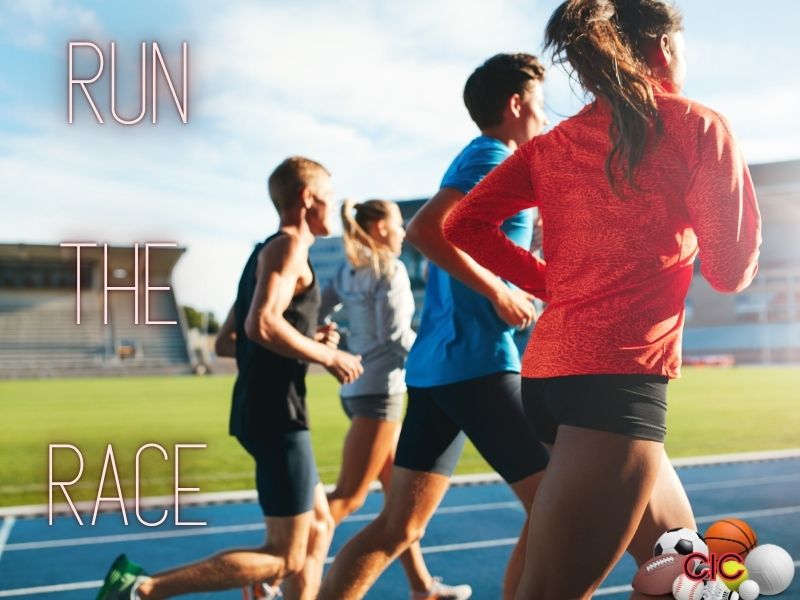
Christ Integration Camp embraces a sports camp model because Scripture consistently frames spiritual formation as training, discipline, and purposeful effort. Paul’s words in 1 Corinthians 9:24–27 remind believers to run the race in a way that reflects intention, focus, and commitment. Middle school students already understand the world of drills, practice, teamwork, and coaching, so the sports theme serves as a natural bridge to help them grasp what discipleship requires. By using the familiar language of athletics, CIC shows students that following Jesus is not passive but an active journey of growth that calls for perseverance, repetition, and a desire to become more like Christ. The sports camp model also gives students a clear picture of what steady progress looks like. Athletes improve through consistent training, and in the same way, young disciples grow through daily habits that strengthen their faith. CIC uses this connection to help students see that spiritual maturity is built over time through intentional choices that honor Christ.
The Journey Continues
CIC uses a sports camp model because it provides clarity, structure, teamwork, and intentional growth. This model helps students understand that discipleship is a journey that requires practice, community, and purpose. The journey continues in the next post, where we will explore the Journey of Belonging and how students experience connection, acceptance, and community as the foundation for spiritual growth.
[1]. Erin K. Howie, Bryce T. Daniels, and Justin M. Guagliano, “Promoting Physical Activity Through Youth Sports Programs: It’s Social,” American Journal of Lifestyle Medicine 14, no. 1 (2018): 79, https://doi.org/10.1177/1559827618754842.
[2]. Ronny Christian, “Taking Theology to Youth Ministry,” Youth Ministry 1, no. 1 (2013): 34, https://doi.org/10.47901/jym.v1i1.80.
[3]. Ryan J. Faust, Recontextualizing Church: From Attractional Events and Program-Driven, to Missional Community and Cell-Driven (n.p.: Independently published, 2017), 16.
[4]. Howie, Daniels, and Guagliano, “Promoting Physical Activity,” 82.
[5]. Faust, Recontextualizing Church, 38.
 Christ Integration Camp
Leave a comment